
Rwanda is famous for mountain gorillas, but the country has another side that surprises many visitors: open savanna, shimmering lakes and the Big Five. A 1 day Akagera National Park trip lets you experience that side without a long commitment. Akagera lies in the east of the country, within a few hours of Kigali, and a well-planned day can include a sunrise game drive, a boat safari and a chance to see lions, elephants, giraffes and hippos. This guide explains how a one-day visit works, what you can see, how to schedule your time, what to pack and how your visit supports conservation.
About Akagera National Park
Akagera National Park is Rwanda’s only savanna park and the largest protected wetland in Central and East Africa. It stretches along the border with Tanzania and is named after the Akagera River, which feeds a chain of lakes, including Lake Ihema, the park’s largest.
The landscape is varied: rolling hills, open plains, acacia woodland, papyrus swamps and shoreline. Poaching and settlement pressure once damaged the park severely, and wildlife numbers fell sharply. Following a long-term management partnership and sustained conservation work, Akagera has recovered impressively. Lions and black rhinos have been reintroduced, and today the park is regarded as a Big Five destination, with lions, leopards, elephants, buffalo and rhinos all present, though leopards are elusive.
Can You Really See Akagera in One Day?
Yes. A day trip is realistic and rewarding, particularly if you start early. Akagera is roughly two to three hours by road from Kigali, so a day trip means a long but manageable day. The key is an early start, because wildlife is most active in the cooler morning and late afternoon.
That said, a single day is a sampler rather than a full safari. If your schedule allows, an overnight stay greatly increases your chances of seeing the park’s more elusive animals and lets you enjoy both dawn and dusk drives. For travelers with limited time, though, a one-day visit remains an excellent way to add savanna wildlife to a Rwanda itinerary.
Wildlife You Can See in Akagera
- Elephants in family herds, often near water
- Giraffes moving among acacia trees
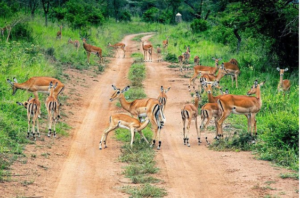
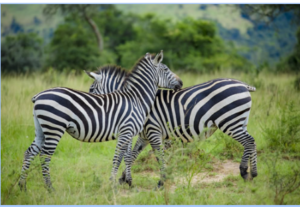
- Zebras, buffalo, topi, impala, waterbuck and eland across the plains
- Hippos and crocodiles along Lake Ihema and the river
- Lions, reintroduced and now breeding, though sightings are never guaranteed
- Black and white rhinos, seen less often, with luck and guidance
- Leopards, rarely seen but present, with night drives improving the odds
- Over 480 bird species, including the shoebill, papyrus gonolek, African fish eagle and many water birds
Wildlife viewing is never guaranteed, and part of the thrill is the unpredictability of the bush.
A Sample 1 Day Akagera Itinerary
Timings vary by operator and season, so confirm details when booking.
- Early departure from Kigali (around 4:30 to 5:00 am). Driving in the early morning helps you reach the park near opening time.
- Park entry and registration (around 7:00 am). Complete formalities at the gate and meet your guide if you have not already.
- Morning game drive (about 3 hours). Explore the central and southern plains, where giraffes, zebras, buffalo and antelope gather. Animals are more active in the cool morning air.
- Picnic lunch or lodge lunch (around 11:00 am to 12:30 pm). Rest at a designated picnic site or a lodge with views over the lake.
- Boat safari on Lake Ihema (about 1.5 to 2 hours). Cruise past hippos, crocodiles and birdlife, with excellent photography opportunities from the water.
- Late-afternoon game drive (about 2 hours). Return to the plains for golden-hour light and another chance at predators.
- Exit and return to Kigali (around 5:30 to 6:00 pm). Depart before dark, since night driving on rural roads is best avoided.
This schedule is full, so wear comfortable clothes and carry snacks.
Self-Drive vs Guided Day Trip
Guided day trip. A professional guide knows animal behavior, spots wildlife quickly and handles driving and logistics. This is the best option for first-time visitors, as the guide often finds animals you would otherwise miss.
Self-drive. Possible with a suitable vehicle, though a 4×4 is recommended. Gravel tracks can be rough, signage is limited and wildlife spotting takes experience. Self-drive suits confident, independent travelers who are comfortable with bush driving.
Whichever you choose, always follow park rules, keep to marked roads and never leave your vehicle except at designated stops.
What to Pack for a Day in Akagera
- Neutral-colored, lightweight clothing such as khaki, olive or tan
- A light jacket or fleece for the cool early morning
- A wide-brimmed hat, sunglasses and high-SPF sunscreen
- Comfortable closed shoes
- Binoculars and a camera with a zoom lens
- Insect repellent
- A refillable water bottle and snacks or a packed lunch
- A power bank and spare memory cards
- Passport or a copy, and cash for tips and small purchases
Avoid bright colors and strong perfumes, which can distract wildlife and attract insects.
Costs and Booking
Akagera charges a daily park entry fee, with separate charges for vehicles, boat trips, night drives and any other activities. Rates differ for foreign non-residents, East African residents and Rwandan citizens, and they are reviewed from time to time, so always confirm current prices with the Rwanda Development Board, the park management or your operator before budgeting.
A guided day trip from Kigali typically includes transport, a driver-guide, park fees and sometimes the boat trip and lunch. Compare inclusions carefully when you request quotes. Book ahead during peak seasons, especially if you want a specific boat departure time.
Best Time to Visit Akagera
- Dry seasons (roughly June to September and December to February): Wildlife concentrates near water, vegetation is thinner and animals are easier to spot. This is generally the best time for game viewing.
- Wet seasons (roughly March to May and October to November): The park turns lush and green, birdlife is excellent and crowds are small. Animals disperse more, and some tracks can be muddy, so a 4×4 is advisable.
Because a one-day visit leaves no room for rescheduling, check the weather forecast and keep some flexibility in your plans.
Combining Akagera with Other Rwanda Experiences
Many travelers link Akagera with other highlights.
- Gorilla trekking in Volcanoes National Park for the signature Rwanda wildlife experience
- Chimpanzee tracking and the canopy walk in Nyungwe Forest
- Lake Kivu for relaxation after a busy itinerary
- Kigali for museums, markets and the Kigali Genocide Memorial
If you can add a night, staying at a lodge or camp inside or beside Akagera turns a hurried day into a more relaxed experience.
Responsible Travel and Conservation
Akagera’s recovery demonstrates what tourism revenue can achieve. Park fees support anti-poaching units, wildlife monitoring, habitat management and community projects around the park. You can strengthen that impact by choosing responsible operators, hiring local guides, avoiding single-use plastics, keeping a respectful distance from animals, never feeding wildlife and buying crafts from local artisans. Rwanda has also taken a strong stance on plastic waste, so be prepared to avoid single-use plastic bags.
Key Takeaways
- A 1 day Akagera National Park trip is realistic from Kigali, though it requires an early start and a long day.
- Akagera is Rwanda’s savanna park, with elephants, giraffes, zebras, hippos, lions, rhinos and abundant birdlife.
- A strong day combines a morning game drive, a boat safari on Lake Ihema and an afternoon drive.
- Guided trips suit most travelers, while self-drive requires a suitable 4×4 and some experience.
- Dry seasons offer the best game viewing, while wet seasons bring lush scenery and fewer visitors.
- Confirm current park fees and operator inclusions before you book.
- Staying overnight improves your chances of seeing more wildlife and makes the trip more relaxed.
- Park fees and responsible choices support conservation and local communities.
Conclusion
A 1 day Akagera National Park visit is a smart way to add savanna wildlife, lakeside scenery and birdlife to a Rwanda trip. With an early start, a well-paced schedule and a good guide, you can see elephants, giraffes, hippos and perhaps a lion, all before returning to Kigali for dinner. While a single day cannot show you everything the park offers, it provides a vivid introduction and a compelling reason to return. Pack sensibly, respect the wildlife, travel responsibly and let Akagera show you a different side of Rwanda.
Frequently Asked Questions
- Is one day enough to visit Akagera National Park?
It is enough for a rewarding introduction, including a game drive and a boat safari. An overnight stay gives you more time and better chances of seeing elusive wildlife. - How far is Akagera from Kigali?
Akagera is roughly two to three hours by road from Kigali, depending on traffic and which gate you use. - What animals can I see in one day?
Common sightings include elephants, giraffes, zebras, buffalo, antelope, hippos and crocodiles. Lions and rhinos are possible but not guaranteed, and leopards are rarely seen. - Can I see the Big Five in Akagera?
All five species are present, but sightings of leopards and rhinos in particular require luck, patience and good guiding. - Should I choose a guided tour or self-drive?
A guided tour is best for first-timers because guides find wildlife faster and manage logistics. Self-drive suits experienced travelers with a suitable 4×4. - When is the best time to visit?
The dry seasons, roughly June to September and December to February, generally offer the best game viewing. Wet seasons are greener with excellent birding. - What should I wear and bring?
Wear neutral, lightweight clothing, a hat and comfortable shoes. Bring binoculars, a camera, sunscreen, insect repellent, water and snacks, plus a light jacket for early mornings. - Is a boat safari included?
It depends on your package. Boat trips on Lake Ihema usually carry a separate fee, so confirm what is included when requesting quotes. - Is Akagera safe?
Akagera is generally considered safe for visitors who follow park rules and guide instructions. Stay in your vehicle during game drives and keep a respectful distance from animals. - Can I combine Akagera with gorilla trekking?
Yes. Many itineraries pair Akagera with Volcanoes National Park and Kigali for a mix of primates, savanna wildlife and culture.