
Kenya has long been celebrated as one of Africa’s leading wildlife destinations, but beyond its famed big game safaris lies an equally compelling treasure: world-class birding tours. With more than 1,100 recorded bird species across diverse ecosystems, Kenya offers unparalleled opportunities for professional ornithologists, conservationists, photographers, and passionate birdwatchers alike. From alkaline lakes shimmering with flamingos to montane forests alive with endemic species, birding tours in Kenya deliver both diversity and depth within a single, well-connected travel circuit.
Exceptional Biodiversity Across Varied Ecosystems
Kenya’s remarkable avian diversity stems from its extraordinary ecological range. Within a relatively compact geographic area, travelers encounter coastal forests, mangroves, freshwater wetlands, semi-arid scrublands, expansive savannahs, highland moorlands, and alpine zones. Each habitat supports distinct bird communities, creating ideal conditions for structured birding itineraries.
The country also lies along major migratory flyways linking Europe, Asia, and Africa. Between October and April, migratory species supplement Kenya’s abundant resident populations, enhancing the overall richness of sightings. This seasonal influx makes birding tours particularly rewarding during northern hemisphere winters, when European and Asian birds overwinter in East Africa.
The Rift Valley: Flamingos and Waterbirds
The Great Rift Valley forms the heart of many birding tours in Kenya. One of its flagship destinations is Lake Nakuru National Park, internationally renowned for its dramatic
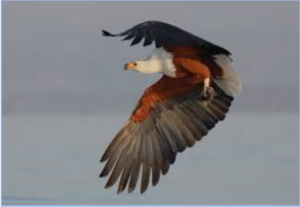
flamingo congregations. Although water levels and algae cycles influence numbers, vast flocks of lesser and greater flamingos often paint the lake’s shoreline in shades of pink. The park also provides habitat for pelicans, cormorants, African fish eagles, and numerous woodland species.
Further north, Lake Bogoria offers a more remote and geothermal landscape, where hot springs bubble along alkaline shores frequented by flamingos and other waterbirds. The Rift Valley lakes collectively host significant populations of grebes, stilts, avocets, and migratory waders, making them essential components of comprehensive birding tours.
Savannah Birding in the Maasai Mara
While globally associated with the Great Migration, Maasai Mara National Reserve is also a premier birding destination. Over 470 bird species have been recorded within its grasslands and riverine forests. Raptors dominate the skies, including martial eagles, bateleurs, and secretarybirds. The lilac-breasted roller—Kenya’s national bird—is frequently spotted perched on acacia branches, offering spectacular photographic opportunities.
Open savannah habitats provide excellent visibility, allowing birders to observe ground-dwelling species such as bustards and coursers alongside vibrant bee-eaters and starlings. For many travelers, combining large mammal sightings with specialized birdwatching enhances the overall safari experience.
Northern Kenya: Endemics and Arid Specialists
Northern Kenya introduces birders to species adapted to dry and semi-arid conditions. Samburu National Reserve is particularly noted for its unique avifauna, including the Somali ostrich and vulturine guineafowl. The Ewaso Ng’iro River running through the reserve supports kingfishers, herons, and weavers, creating rich ecological contrast within arid surroundings.
Birding tours in this region often target localized species not easily found elsewhere in Kenya. The remote atmosphere and lower tourist density make Samburu appealing for focused ornithological exploration.
Coastal Forests and Rare Species
Kenya’s Indian Ocean coastline hosts some of East Africa’s rarest forest birds. Arabuko-Sokoke Forest stands as the largest remaining tract of coastal forest in the region and a globally recognized Important Bird Area. It shelters endangered species such as the Sokoke scops owl and Clarke’s weaver, attracting serious birders seeking specialized sightings.
Coastal wetlands and estuaries further enrich birding tours, with crab plovers, terns, sandpipers, and mangrove specialists frequenting tidal flats. The combination of forest and shoreline habitats provides exceptional diversity within short travel distances.
Highland and Montane Forest Birding
Kenya’s central highlands and western forests add another dimension to birding tours. The slopes of Mount Kenya support montane forest species including Hartlaub’s turaco and various sunbirds. Cooler temperatures and dense vegetation create distinct bird communities compared to lowland savannahs.
In western Kenya, Kakamega Forest—remnant of an ancient Guineo-Congolian rainforest—offers species rarely found elsewhere in East Africa. Birding tours incorporating this region appeal to experienced birders aiming to expand regional life lists.
Professional Guides and Structured Itineraries
A defining feature of birding tours in Kenya is the expertise of local guides. Professional bird guides possess in-depth knowledge of species identification, vocalizations, and habitat preferences. Their ability to recognize subtle calls and flight patterns significantly enhances success rates during field excursions.
Tours typically operate in small groups to maximize observation quality and minimize disturbance. Early morning and late afternoon outings coincide with peak bird activity. In some locations, walking safaris, boat excursions, and night birding sessions broaden the range of potential sightings.
Many itineraries are tailored to specific interests—whether targeting endemics, migratory species, photography, or conservation-focused travel. Kenya’s well-developed road network and domestic air connections facilitate efficient movement between ecosystems.
Conservation and Sustainable Tourism
Birding tours in Kenya play an important role in conservation. Revenue generated through park fees and community conservancies supports habitat protection and anti-poaching initiatives. Organizations such as Nature Kenya collaborate with the Kenya Wildlife Service to safeguard Important Bird Areas and promote environmental awareness.
Responsible tour operators prioritize eco-friendly practices, including minimizing habitat disturbance and supporting local communities. Community-based conservancies have proven particularly effective in preserving both wildlife and livelihoods.
Best Time for Birding Tours
Kenya offers productive birdwatching throughout the year. However, November to April is widely considered optimal due to the presence of migratory species and breeding plumage displays. During the dry season from June to October, birds concentrate near water sources, and vegetation is less dense, improving visibility.
Selecting travel dates often depends on target species and preferred climate conditions. Professional tour operators provide guidance based on regional rainfall patterns and seasonal bird movements.
Planning and Practical Considerations
Travelers typically begin their journey in Nairobi before connecting to key birding destinations by road or light aircraft. Essential equipment includes quality binoculars, field guides, sun protection, and lightweight neutral clothing. Photography enthusiasts may benefit from telephoto lenses suited to open savannah conditions.
Health preparations, including recommended vaccinations and travel insurance, should be completed prior to departure. Respecting wildlife and adhering to guide instructions ensures both safety and conservation compliance.
A World-Class Birding Destination
Birding tours in Kenya offer far more than species counts—they provide immersion in landscapes defined by color, sound, and ecological richness. Whether observing flamingos sweeping across Rift Valley lakes, discovering rare forest endemics along the coast, or scanning savannah horizons for soaring raptors, Kenya delivers an exceptional ornithological journey.
For professionals and enthusiasts alike, Kenya remains one of the most accessible and rewarding birding destinations in Africa—where each dawn chorus signals another day of discovery in one of the planet’s most biodiverse environments.